Signs It’s Time to Upgrade Your Home’s Flooring
Noticing signs it’s time to upgrade your home’s flooring means local contractors can help by providing expert installation to refresh and improve your space.
Homeowners considering updates to their living spaces often wonder when it’s time to upgrade their flooring. Recognizing the signs that indicate a flooring upgrade can help maintain the beauty, functionality, and value of a property. Whether it's visible wear and tear, persistent stains, or a desire for a fresh look, these practical cues suggest that new flooring installation services by experienced local contractors might be the right step forward. Staying attentive to these indicators ensures that property owners can keep their homes comfortable and visually appealing without unnecessary delays.
Exploring the reasons to upgrade flooring can also be driven by lifestyle changes or the need for improved safety and comfort. Damaged or outdated flooring might not only detract from a home's aesthetic but could also pose safety concerns. Fortunately, local service providers are ready to assist with professional installation options that align with the specific needs of each home. Keeping an eye on these signs and understanding when to seek expert help can make the process of upgrading flooring a smooth and satisfying experience.
- Old flooring showing signs of wear - when flooring becomes scratched, stained, or damaged, local contractors can provide new installation to refresh the space.
- Water damage or staining - persistent water spots or stains indicate the need for replacement, with service providers offering durable, waterproof options.
- Uneven or sagging flooring - structural issues causing uneven surfaces can be addressed through professional flooring installation to ensure safety and aesthetics.
- Outdated style or design - when flooring no longer matches home decor, local pros can help select and install modern options that update the look.
- Persistent odors or allergy concerns - replacing old flooring can improve indoor air quality, with service providers offering options that minimize allergens and odors.
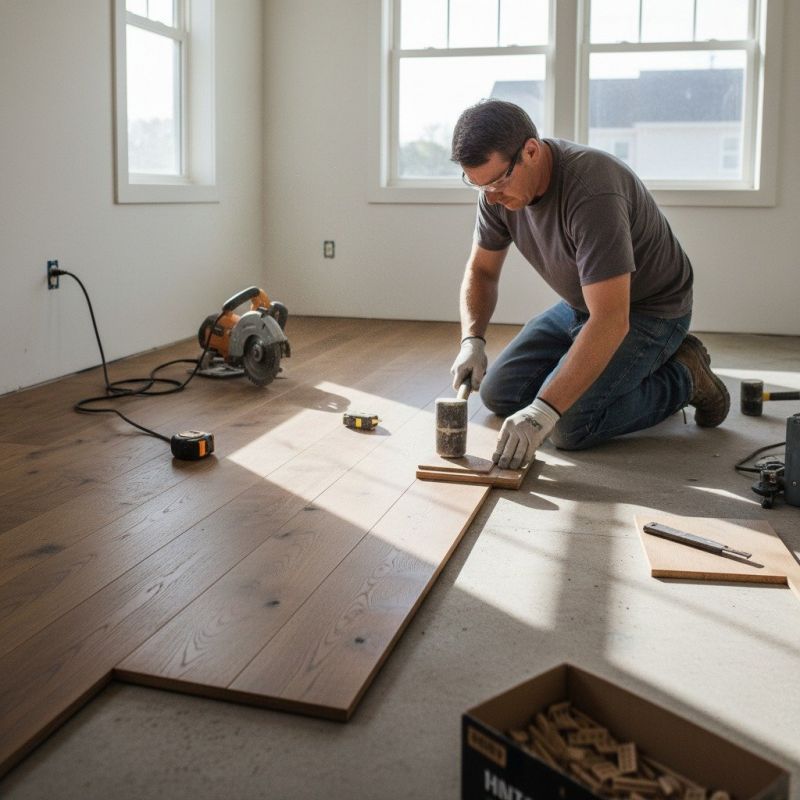

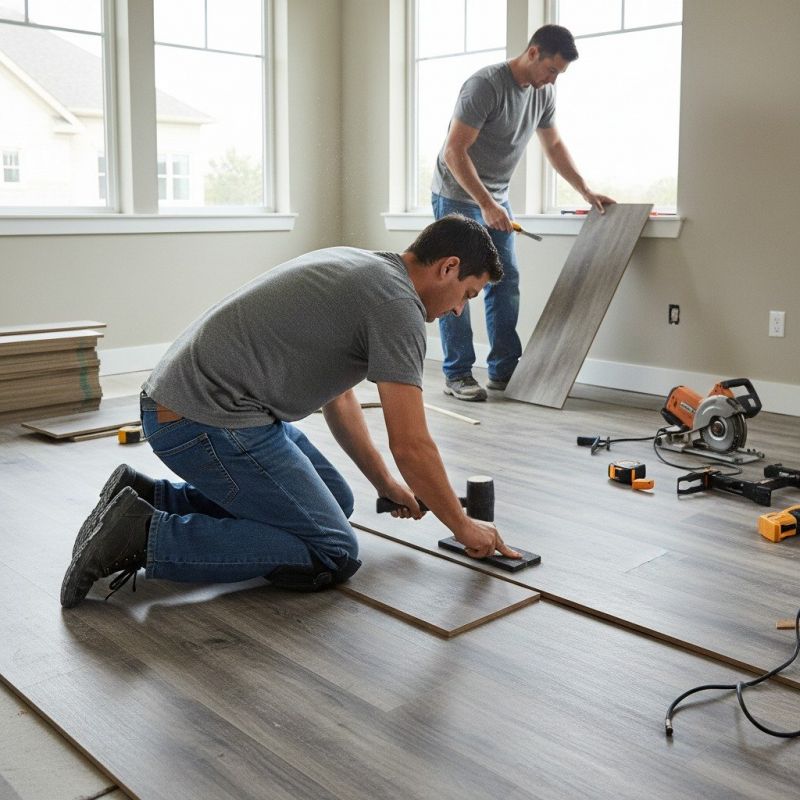
When homeowners search for signs it’s time to upgrade your home’s flooring, they are typically looking for indicators that their current floors no longer meet their needs or expectations. Over time, flooring materials can wear down, become stained, or lose their visual appeal, making the space feel outdated or less functional. Many people notice that their floors are showing visible signs of damage, such as deep scratches, cracks, or areas of unevenness, which can compromise safety and comfort. Additionally, if a home is experiencing increased allergies or dust buildup, worn flooring might be contributing to indoor air quality issues. Recognizing these signs helps homeowners determine when it’s time to explore new flooring options and connect with local contractors who specialize in installation.
The decision to upgrade flooring often relates to specific plans or problems within a property. For instance, homeowners planning to sell may want to improve the home's appearance and value by replacing outdated or damaged floors. Others might be dealing with issues caused by moisture, such as warped hardwood or mold growth in carpets, which can lead to health concerns. Renovation projects frequently include flooring updates to modernize the space or match a new design theme. In some cases, flooring upgrades are driven by the need to replace materials that have become difficult to maintain or have lost their durability over years of use. These considerations make it clear how important it is to assess the condition of existing floors and seek professional installation when making significant upgrades.
The types of properties that typically come up when exploring signs it’s time to upgrade flooring include a wide range of residential homes. Single-family houses often show wear in high-traffic areas like hallways, entryways, and kitchens, prompting owners to consider new flooring solutions. Apartments and condos may also experience similar issues, especially in shared or heavily used spaces. Older homes tend to have floors that have endured decades of use, with materials that may no longer meet current standards for comfort or safety. Additionally, properties undergoing remodeling or expansion projects often require new flooring to match the updated interior design. Regardless of the property type, local contractors can provide expert installation tailored to the specific needs of each space, ensuring the new floors enhance both appearance and functionality.
Understanding how signs it’s time to upgrade your home’s flooring connects to real projects helps homeowners plan effectively. Whether replacing damaged hardwood, updating worn-out carpets, or installing modern tile, the goal is to improve the home's look, safety, and comfort. Recognizing issues early-such as persistent stains, squeaky floors, or uneven surfaces-can prevent further damage and make the upgrade process smoother. Connecting with experienced service providers ensures that the new flooring is installed correctly, adding value and appeal to the property. By paying attention to these signs, homeowners can make informed decisions about when to invest in new flooring, with local contractors ready to assist in transforming the space efficiently and professionally.
Flooring removal projects - these involve preparing existing surfaces, which is a key step before installing new flooring, requiring similar planning and tools.
Subfloor repair and leveling - ensuring a stable, even surface for new flooring shares skills in surface assessment and preparation with flooring upgrades.
Home renovation projects - general renovations often include flooring updates, utilizing comparable planning and construction techniques.
Interior remodeling services - these projects frequently involve replacing or updating flooring to improve aesthetics and functionality.
Underlayment installation - adding or replacing underlayment supports new flooring and involves similar material handling and surface preparation skills.
Custom flooring design consultations - these services help select the right materials and layouts, complementing the installation process for upgraded flooring.

When evaluating local contractors for new flooring installation, it’s important to consider their experience with similar projects. Homeowners should inquire about the types of flooring they have installed in the past and ask for examples of completed work that align with their specific needs. A contractor with a proven track record in handling projects comparable to the size and style of the desired upgrade can provide insights into their expertise and reliability, helping ensure the installation process goes smoothly.
Clear, written expectations are essential when comparing service providers. Homeowners should seek detailed proposals that outline the scope of work, materials to be used, and the estimated timeline for completion. Having this information in writing helps prevent misunderstandings and ensures everyone is aligned on project goals. Service providers who communicate their process transparently and provide comprehensive estimates demonstrate professionalism and make it easier to compare options objectively.
Reputable references and strong communication are also key factors in selecting a flooring contractor. Homeowners can ask for references from previous clients to gain insight into the quality of work and customer satisfaction. Additionally, a contractor’s responsiveness and clarity during initial conversations can indicate how well they will communicate throughout the project. Choosing local service providers who prioritize clear communication and have positive references can lead to a more straightforward, stress-free experience when upgrading flooring.
Property owners often search for signs it’s time to upgrade your home’s flooring when they are planning practical projects around their homes and businesses. Local pros provide New Flooring Installation services for everyday jobs and straightforward project options.
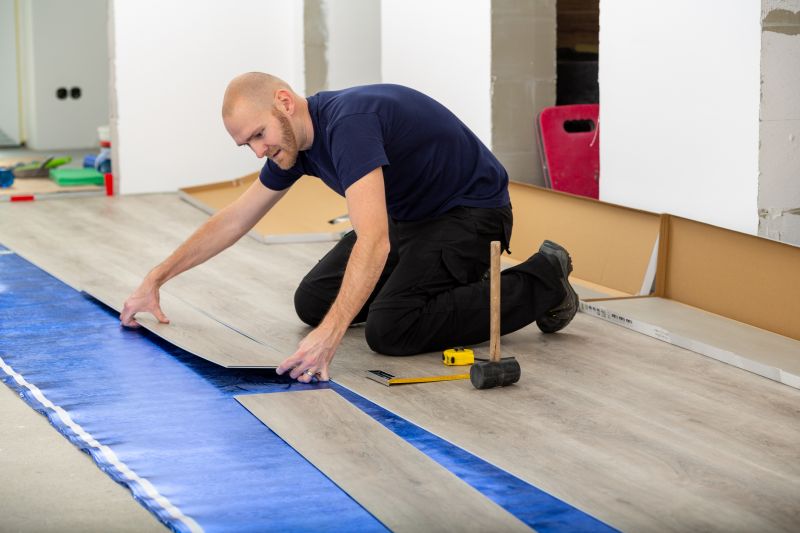
Homeowners in the area often notice signs it’s time to upgrade your home’s flooring when everyday wear and tear become more noticeable. Cracks, scratches, or areas where the surface has become uneven can make a space look tired and less inviting. Additionally, if the flooring shows signs of staining or persistent damage that can’t be easily cleaned or repaired, it might be a good indication that new flooring installation could improve both the appearance and functionality of the space. These common issues often prompt property owners to explore options for professional flooring upgrades, seeking local service providers who can deliver a fresh, durable surface.
Other times, signs it’s time to upgrade your home’s flooring relate to comfort and safety concerns. Slippery surfaces, squeaking boards, or loose tiles can pose hazards, especially in high-traffic areas or homes with children and elderly residents. Deterioration over time might also lead to increased maintenance costs or reduced property value. When these issues arise, many property owners look into local contractors who specialize in flooring installation to help restore their floors’ appearance and safety. Connecting with experienced service providers can make the process of updating a home’s flooring straightforward and effective.
How can I tell if my flooring is outdated? Signs it’s time to upgrade your home’s flooring include visible wear, scratches, or fading that affect the appearance and functionality of your space.
What are indicators that my flooring is no longer safe? If your flooring has loose or cracked sections, or if it becomes slippery or uneven, it may be time to consider a replacement for safety reasons.
When should I consider upgrading due to damage? Significant damage such as deep gouges, water stains, or persistent stains that cannot be cleaned effectively suggest that new flooring installation could be beneficial.
How do I know if my current flooring affects the comfort of my home? If your flooring feels uneven, hard, or cold, or if it causes discomfort when walking or standing, it might be time for an upgrade.
Are there signs that my flooring impacts the value of my home? Worn-out or outdated flooring can reduce the overall appeal and value of a home, indicating that new flooring installation may be a worthwhile investment.
Visible Wear and Tear - When floors show significant scratches, stains, or damage, it may be time for new flooring installation services from local contractors to refresh the space.
Water Damage or Moisture Issues - Signs of water stains, warping, or mold growth can indicate that upgrading flooring is necessary to prevent further damage and improve indoor air quality.
Outdated Style or Design - If current flooring no longer matches the home’s aesthetic or personal preferences, local pros can help upgrade to modern options that enhance the overall look.
Uneven or Loose Flooring - Loose, creaking, or uneven surfaces can be a safety concern and may require professional replacement to ensure stability and safety.
If you are thinking about signs it’s time to upgrade your home’s flooring for a property, this guide is meant to help you understand this topic, the typical project types, and how different options might fit your plans.
When you are ready, you can use the quote form on this page to share a few details about your project. From there, local pros can review the basics and follow up with options that match what you have in mind.